Does a larger bill prove there is a hidden leak?
No. Separate the amount charged from the amount of water recorded. Compare the dates and usage units, then list any changes in household or outdoor use. Unexpected consumption is a reason for a closer check, not a location diagnosis.
Read the usage period before choosing a cause
Put the latest bill beside a comparable earlier one. Look at the water-use figure and the number of days covered. Note whether the statement marks a reading as estimated or gives any other explanation. Ask the utility about a reading or account detail you cannot interpret.
FPUA describes a usage-history section on its bill that helps customers compare periods. Use that history to identify when the change began. Keep water consumption separate from electricity, wastewater or other charges on a combined bill.
Fort Pierce Utilities Authority
Make a short list of known changes
Write down visitors, a longer stay at the property, a pool fill, irrigation changes or work that used water. Add any fixture that has been running, dripping or refilling. You do not need to calculate an exact leak rate to describe these changes.
If no ordinary change explains the usage, a meter observation may help. EPA describes comparing readings during a period with no water use. Follow your utility’s instructions for the actual meter, and ask for help if access is unsafe or the display is unclear. Do not force a lid or operate a utility valve.
- Billing start and end dates, and usage units.
- The first period with an unexplained change.
- Known indoor and outdoor water use during that period.
- Any visible moisture, running fixture or leak alert.
U.S. Environmental Protection Agency
Keep a meter result within its limits
Record the time, reading and known water uses if you make a safe observation. Automatic equipment may use water without someone turning on a faucet. Describe any irrigation, refill or treatment equipment you know about, rather than simply saying everything was off.
One quiet observation does not explain an earlier bill or rule out an intermittent problem. Conversely, movement on a meter does not point to a particular wall or slab. Tell the person reviewing it exactly what you observed and what you could not check.
Resolve the bill and the repair as separate questions
Ask the utility about the bill. Ask about a plumbing inspection separately. Ask the utility what records it needs if you are requesting a review. Keep any findings and repair invoices; do not assume that a repair automatically qualifies for a credit.
When you call us, have the property address and the consumption dates ready. Ask whether the visit covers leak detection only, what checks are proposed, what the visit costs and whether any further work needs separate approval. Avoid sharing account passwords or payment details just to describe the problem.
Questions about this work
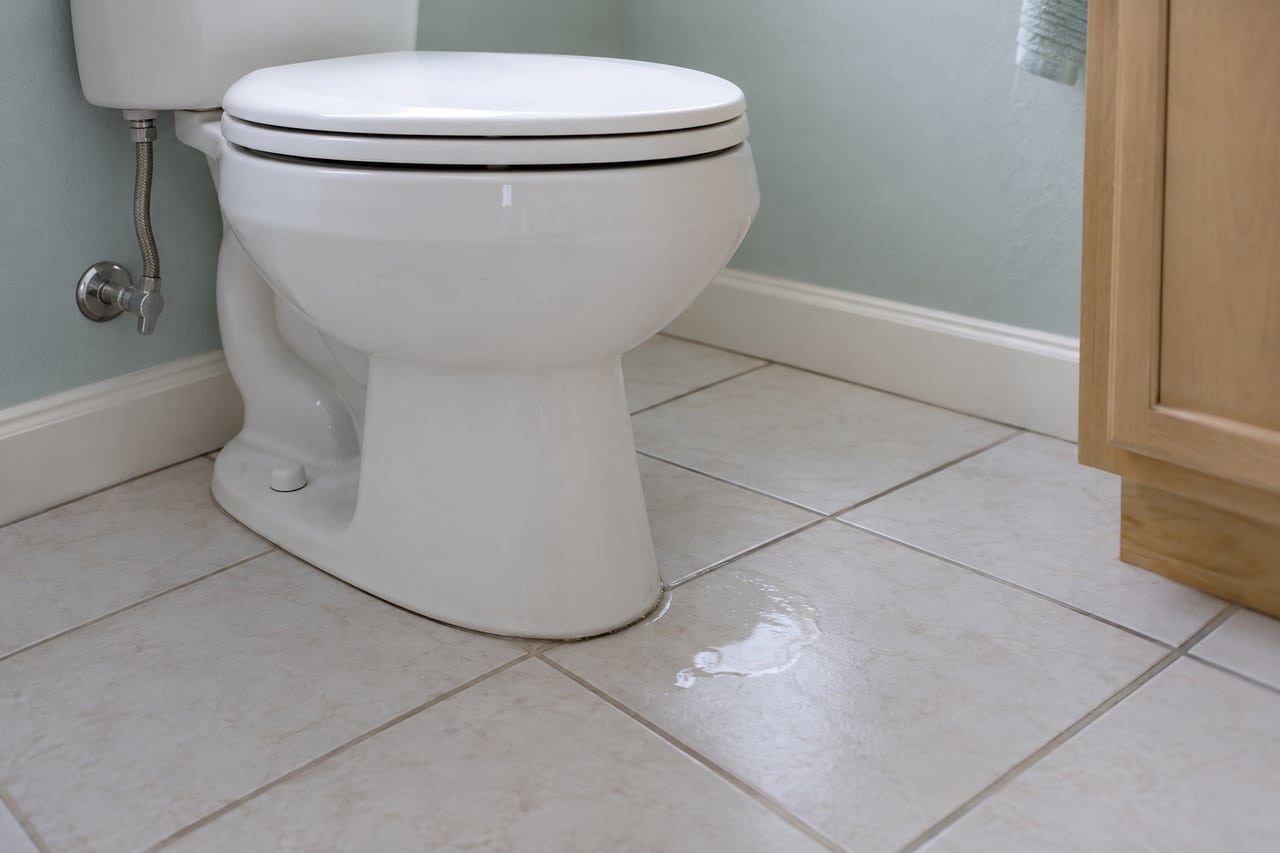
Could a toilet be involved even when the floor is dry?
EPA includes silent toilet leaks in its home maintenance guidance. A fixture check can be relevant without visible water on the floor; ask for help if you are unsure how to inspect it safely.
Does a leak alert identify the leaking pipe?
It depends on the device and what it monitors. A flow alert or moisture alarm is information to investigate. Keep the original alert and ask what area or supply it covers.
Fort Pierce Utilities AuthorityU.S. Environmental Protection AgencyFort Pierce Utilities Authority