Should moisture at the edge of a room be treated as an under-slab pipe leak?
Do not choose the source from the position alone. Record the floor condition, nearby plumbing and the timing of weather or water use. Ask which observations would distinguish the possibilities before planning a floor opening.
What to establish first
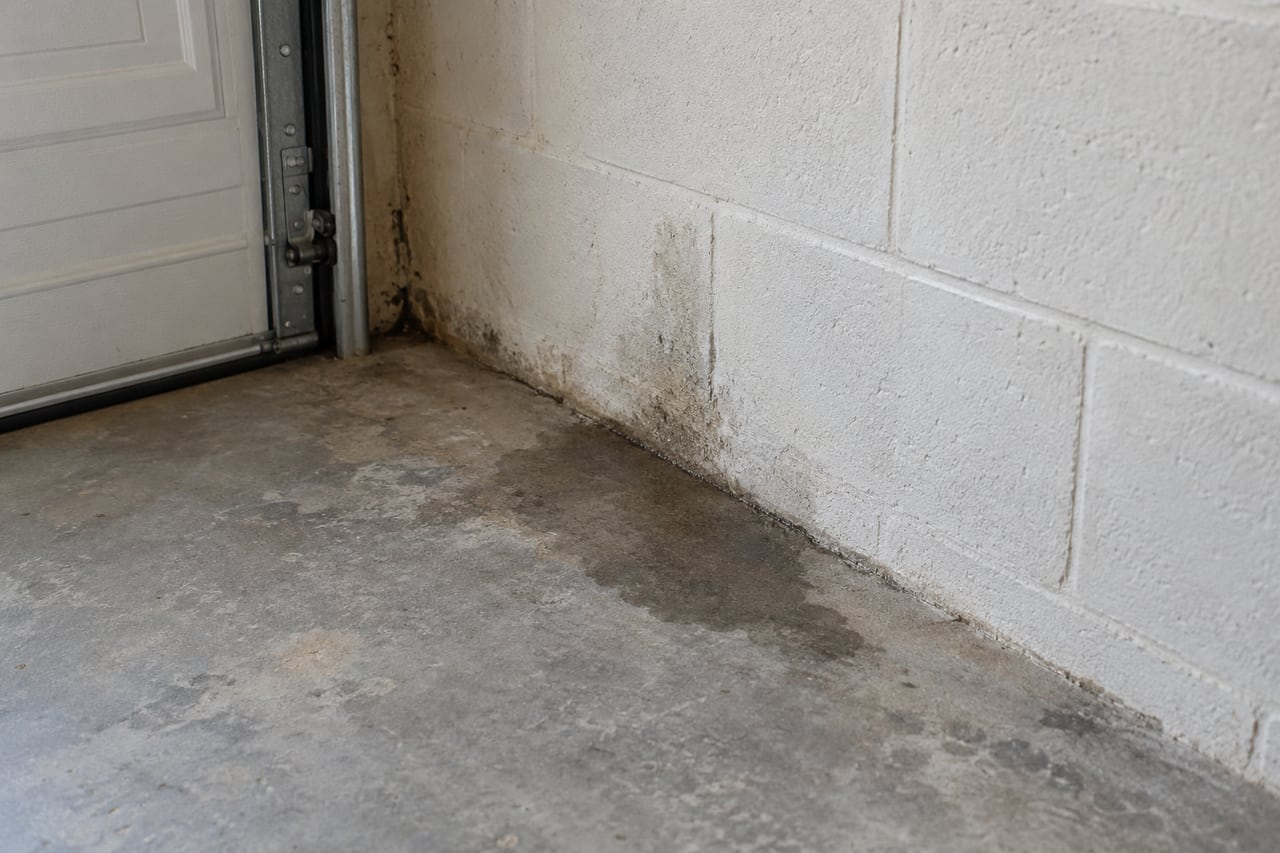
Describe whether the mark is at the baseboard, across the floor or near a door opening. Note when it changes and whether the change follows rain, indoor use or no clear pattern. Do not lift flooring, remove trim or run water against the building to test a theory.
Mention any new exterior or interior work, but avoid declaring it responsible. A dated photo taken from the same position can show whether the visible area is changing. It cannot establish what is beneath the slab or behind the wall.
Agree the inspection scope
Tell the person arranging the visit that the moisture source is uncertain. Ask whether the proposed inspection addresses supply plumbing, other water entry or only a limited part of the concern. A diagnosis-only scope should make those boundaries clear.
If a pipe below the floor is suspected, ask what evidence supports that view. Before authorizing cutting, request the planned access location and the reason for it. Do not accept the floor finish as a map of the hidden supply.
Local checks and the next decision
FPUA lists several possible sources of unexpected consumption, including buried and indoor piping. Where the property has an FPUA account, usage history may add context; where it uses a private supply, explain that difference. Neither arrangement establishes why a particular floor edge is wet.
Fort Pierce Utilities Authority
Agree what happens if plumbing is not the source
Ask how an inconclusive result or a concern outside the inspection’s scope will be reported. A finding that redirects the inquiry should name what was checked and what still needs assessment. It should not turn into an unsupported assurance that the room is dry or the building is sound.
Keep investigation, source repair, drying and replacement of flooring as separate decisions. The right next step follows the findings, not the initial label used when booking the visit.