What can a tenant report before the owner authorizes an inspection?
Report the room, visible condition and timing. Keep observations separate from a diagnosis, and contact the owner or manager promptly. Ask who will arrange entry and make any decision about opening finishes.
What to establish first
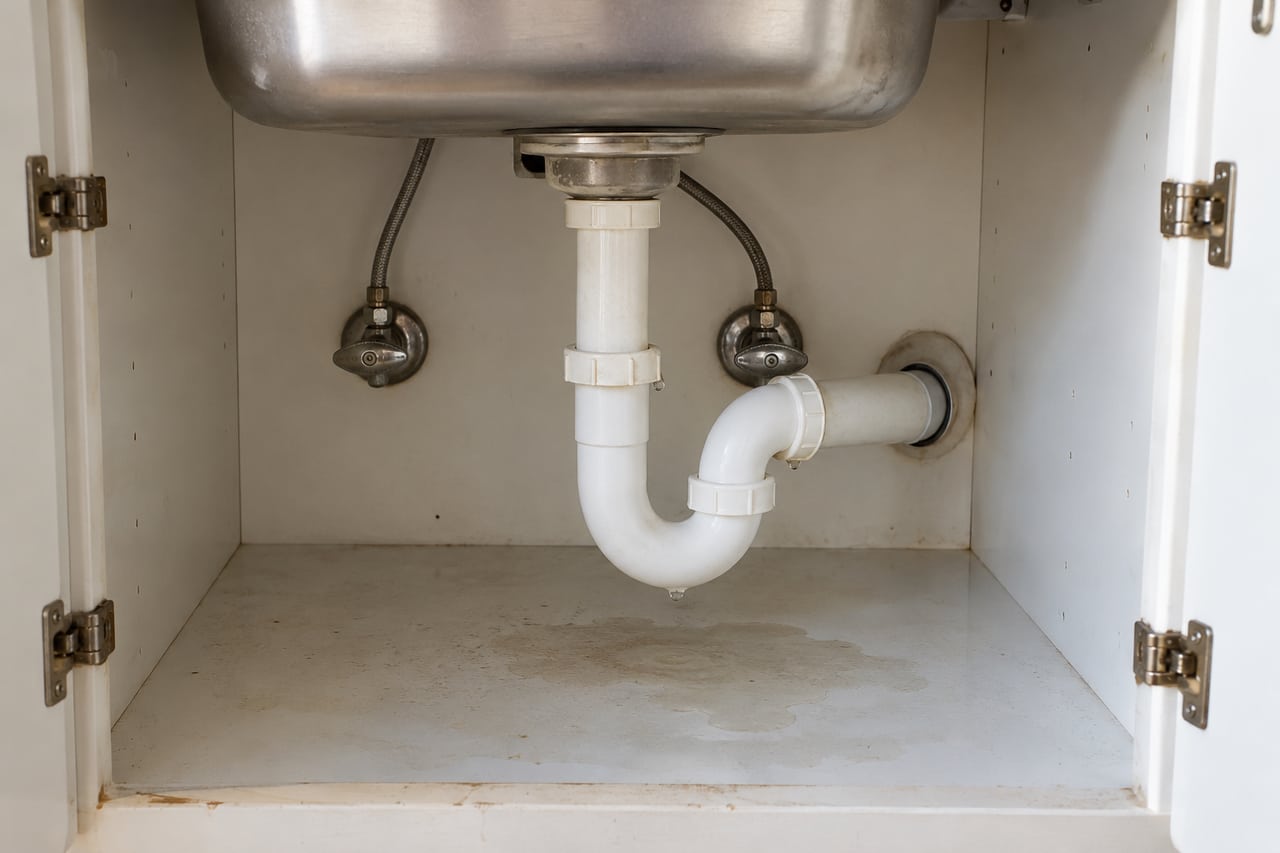
If a damp cabinet is in a rented home, record the visible area without moving plumbing or a built-in appliance. State whether moisture is present now or whether only a mark remains. Let the owner know if an outlet, disposal or appliance is near the water.
EPA directs renters to report leaks and moisture problems to their building owner or manager. Keep a dated record of the report and any access instructions so the person arranging the visit knows what has already happened.
U.S. Environmental Protection Agency
Agree the inspection scope
Ask whether the initial authorization covers a visual inspection, testing or removal of a finish. The tenant allowing entry and the owner approving damage to a cabinet may be different people. Settle how the inspector can reach the decision-maker if more access is recommended.
When describing a previous repair, state what was actually changed and when. “The faucet was replaced last month” is useful. It does not prove the present moisture has the same source or that another part must now be replaced.
Local checks and the next decision
For a St. Lucie Village property, the Village building forms provide a starting point if the work develops into a repair that needs local authorization. Keep that question separate from permission to enter the tenant’s home. Fort Pierce North and Lakewood Park inquiries also need the actual property jurisdiction checked.
St. Lucie Village
Keep both parties informed
Agree who receives the findings and how unresolved access will be described. The owner needs the proposed repair scope; the occupant needs to know which areas may be used safely and what arrangements a further visit requires. Do not treat an inspection note as permission to resume use of a hazardous wet area.